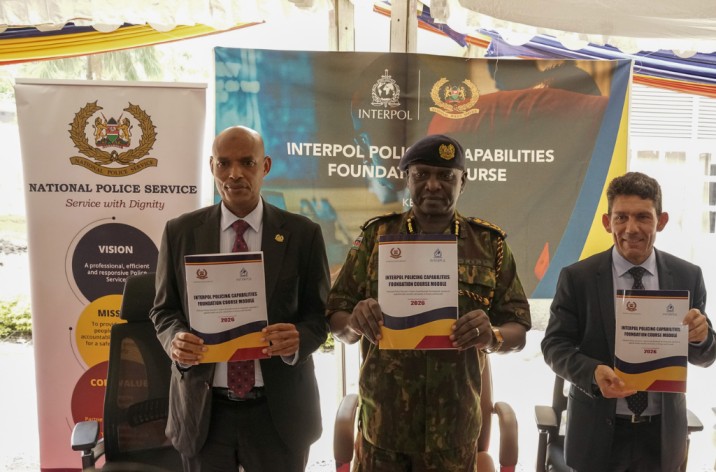
The National Police Service of Kenya has launched a new training programme to give officers direct access to INTERPOL’s global policing tools, aiming to boost the country’s ability to fight crime that crosses borders.
The initiative, called the INTERPOL Policing Capabilities Foundation Course Module, will equip officers with skills to use international law enforcement databases, secure communication systems, and investigative tools.
Speaking at the launch on Thursday, Inspector-General of Police Douglas Kanja said the programme comes at a time when criminals increasingly exploit technology and legal gaps between nations.
“We live in an era where crime has no respect for borders or territorial boundaries,” Kanja said. “Criminals exploit the gaps between law enforcement agencies, the gaps between national crime databases, and the gaps in our knowledge of how to use international policing tools. This training module helps close those gaps by equipping officers with practical knowledge of INTERPOL’s policing capabilities.”
Authorities say the course will improve the operational capacity of Kenyan officers by enabling them to access INTERPOL’s global systems more efficiently when tracking suspects involved in transnational crimes.
The training will also support investigations into human trafficking, organized crime, and sexual and gender-based violence, while fostering closer coordination with international law enforcement partners.
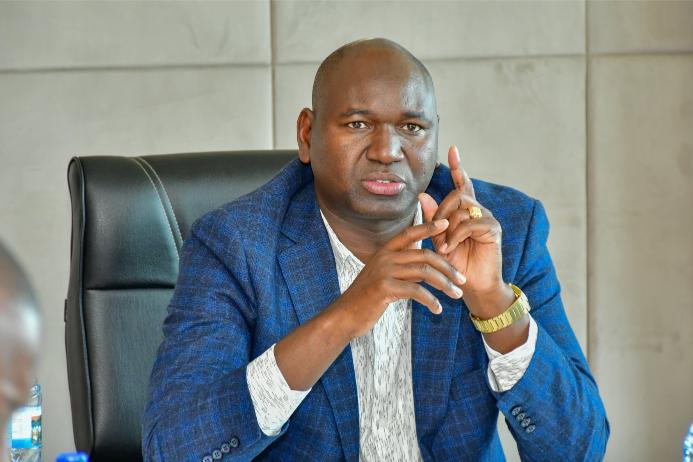
Director of the Directorate of Criminal Investigations and INTERPOL Executive Committee member Mohamed Amin described the programme as a key step in modernising Kenya’s police force and strengthening international cooperation.
“This curriculum launch reflects Kenya’s long-term vision for modern policing,” Amin said. “As crime evolves and increasingly crosses borders, we must ensure our officers are prepared not only to respond locally, but to collaborate confidently at regional and international levels.”
Amin added that making the training a permanent feature will boost trust with global partners and reinforce Kenya’s leadership in regional security.
“By institutionalizing this training, we are investing in lasting capability, strengthening trust among our partners, and reinforcing Kenya’s leadership in advancing security across the region,” he said.
The programme was developed with technical and financial support from INTERPOL’s Project Soteria, which is funded by the United Kingdom’s Foreign, Commonwealth and Development Office. INTERPOL’s Director of Organized and Emerging Crime, David Caunter, said the initiative strengthens Kenya’s existing efforts to combat cross-border criminal activity.
“The course builds on the strong commitment and capability of Kenya’s law enforcement officers in addressing cross-border crime,” Caunter said. “By integrating our databases, secure communications, and investigative tools into Kenya’s existing training framework, we are enabling officers to operate even more efficiently within international networks, ensuring their local expertise is fully connected to global responses,” he added.
Officials noted that the training uses interactive methods, including real-world case studies, group analysis, and hands-on simulations, to ensure officers gain both theoretical knowledge and practical skills. Authorities believe the initiative could serve as a regional model for integrating international policing capabilities into national training programmes, strengthening Kenya’s role in global security collaboration.